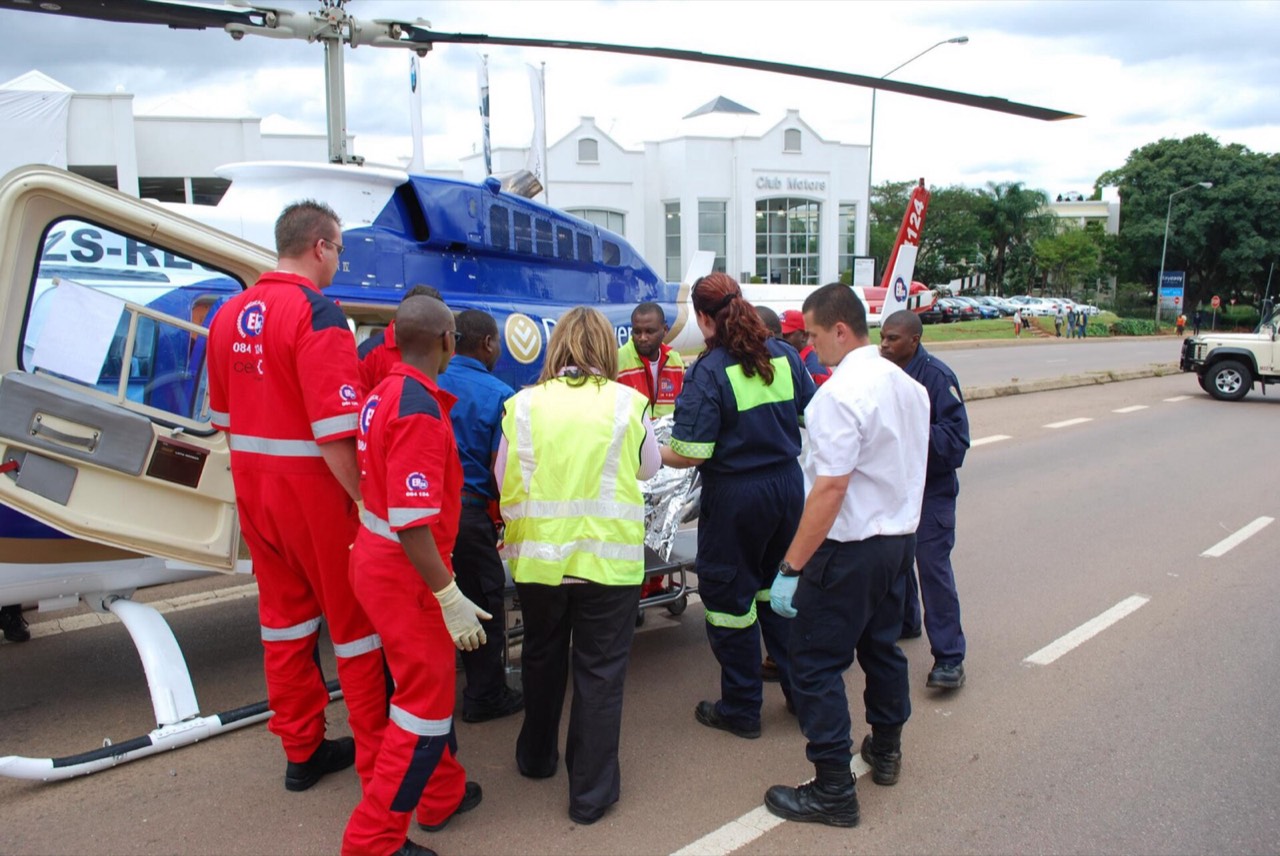
The short answer: In an emergency, the people treating you need four things fast: your allergies, the medicines you take, your long-term conditions, and who to call. If you cannot speak and nobody beside you knows, they have to treat you without them, and some of the safest treatments become guesses.
Picture the call. A car accident, a fall at work, a collapse at a family lunch. The ambulance arrives, and the first questions come quickly. Is she allergic to anything? What does he take for his heart? Is she diabetic?
Often the person who could answer is the one on the stretcher. The family member who knows is at home. The list of medicines is in a drawer.
Why those four answers matter so much
Allergies decide which painkillers and antibiotics are safe. Blood thinners change how bleeding is handled. Diabetes changes how a confused patient is read. A heart condition changes which drugs can be given at all.
When this information is missing, mistakes follow. A patient safety review in the United States found that as many as 18% of serious, preventable medication errors happen because the person prescribing does not have enough information about the patient. In an emergency, that gap is at its widest.
Worldwide, the problem is large. The World Health Organization puts the cost of medication errors at about 42 billion US dollars a year, close to 1% of everything the world spends on health. A joint report by the WHO, the OECD and the World Bank found that about one in ten patients is harmed during care, even in wealthy countries.
Our calculation
Medication errors cost the world about 115 million US dollars every single day.
That is the WHO's estimate of 42 billion US dollars a year, spread across every day of the year. Much of that harm starts with a decision made without the full picture.
What to have ready before you need it
- Allergies. The medicine or food, and what happened. "Penicillin, swelling of the face" helps far more than "some antibiotics".
- Every medicine you take. The name on the box, the dose and how often, including inhalers, injections and anything from the pharmacy shelf.
- Long-term conditions. Diabetes, epilepsy, heart conditions, kidney disease, pregnancy.
- Who to call. Two people, with numbers that will be answered.
- The same for everyone you care for. Children and older parents are often the least able to answer for themselves.
Keep it somewhere the people with you can reach. Tell your family where it is.
How Kindredd helps
In the free Kindredd Patient app, your allergies, medicines and conditions sit on your health timeline, together with your digital medical card for insurance and emergency details. With Patient Premium you can keep the same details for your children and dependants.
When you are well enough to share, you can show a health worker a QR code and choose what they see, for as long as you allow. The paramedic or doctor starts with your facts instead of a guess.
Questions people ask
What medical information should I carry in case of an emergency?
Your allergies and what happened, every medicine you take with its dose, your long-term conditions, and two emergency contacts. Do the same for your children and anyone you care for.
Do paramedics in South Africa have access to my medical records?
Usually not. Ambulance crews, public and private, generally cannot see your clinic or hospital records, so they rely on you, the people with you, and whatever you carry.
Why do doctors ask about allergies before giving medicine?
Because some common medicines, such as certain antibiotics and painkillers, can cause serious reactions in people who are allergic to them. Knowing your allergies lets the doctor choose a safe alternative.
Send this to the people who would be with you in an emergency.
Was this article helpful?
Has this happened to you or your family? Tell us your story. We read every one, and with your permission it may help shape what we build next.
More from the blog

Why do I have to repeat my medical history at every doctor in South Africa?
"Start from the beginning again": what lost records cost patients.
Why do I have to redo blood tests and scans? The cost of repeated medical tests in South Africa
Paying twice: what it costs families and medical schemes.

What happens to my referral letter? Why hospital referrals get lost in South Africa
Referred, then lost.
Sources
- Pennsylvania Patient Safety Authority, Patient Safety Advisory, September 2008: up to 18% of serious preventable adverse drug events linked to insufficient patient information. patientsafety.pa.gov
- World Health Organization, global patient safety challenge on medication safety (2017): medication errors cost about 42 billion US dollars a year. who.int
- WHO, OECD and World Bank, Delivering quality health services (2018): about one in ten patients harmed during care in high-income countries. Reported by Health Policy Watch. healthpolicy-watch.news
Photo: ER24 EMS (Pty) Ltd, Wikimedia Commons, licensed CC BY-SA 2.0.