
The short answer: A referral letter goes with you to the hospital, but very often nothing comes back. In one South African district, only 5.4% of referrals came back to the clinic with a feedback letter. Your clinic is left not knowing what the hospital found, changed or planned.
The clinic sister writes the letter, folds it into your hand and tells you to take it to the hospital. You wait there all day. You see a doctor, get some tests, maybe new tablets.
Then you go back to your clinic. The sister asks what the hospital said. You try to remember.
The letter that never comes back
A referral is meant to work in both directions: your story to the hospital, and the hospital's findings back to the people who look after you every month. In practice, the return journey rarely happens.
Researchers in the Metsweding district of Gauteng reviewed 858 referrals from clinics to their first referral hospitals. Only 46 of them, 5.4%, had a feedback letter. Of those letters, 41.8% gave no contact details for whoever wrote them.
Our calculation
For every 20 patients referred, 19 go back to their clinic with no word from the hospital.
Feedback came back for only 5.4% of referrals. Everyone else returned to the clinic with nothing in writing about what the hospital found or changed.
Letters going the other way have problems too. At one Eastern Cape regional hospital, researchers found that a national referral template existed but was not used consistently. In KwaZulu-Natal, a study of clinics pointed to the quality of referral letters and unreliable transport as signs of a weak referral system.
What gets lost
- New medicines. The clinic keeps giving the old ones.
- Results. Tests done at the hospital are repeated, or never followed up.
- The plan. When to go back, what to watch for, who is in charge of what.
How to close the loop yourself
- Keep a copy of the referral letter. A photo is enough.
- Ask the hospital for a letter for your clinic. Before you leave, and photograph that too.
- Write down any changes. New medicines, stopped medicines and the date of your next visit.
How Kindredd helps
In the Kindredd Care app, health workers send and receive referrals in the same place as the patient's shared record, so the receiving team starts with the notes instead of a folded letter.
In the free Kindredd Patient app, you can keep your referral letters, results and new medicines on your own timeline, and show them at your next visit.
Questions people ask
What happens after I am referred to a hospital in South Africa?
You take the referral letter to the hospital, which assesses and treats you. The hospital should send a letter back to your clinic, but this often does not happen, so keep your own copies.
Can I get a copy of my referral letter?
Yes. Ask the clinic or doctor who writes it for a copy, or take a photo before you hand it over.
Why does my clinic not know what the hospital did?
Because feedback letters are often not written or never reach the clinic. One study found only 5.4% of referrals came back with feedback.
Know someone waiting to hear back from a hospital? Send them this.
Was this article helpful?
Has this happened to you or your family? Tell us your story. We read every one, and with your permission it may help shape what we build next.
More from the blog

Why do I have to repeat my medical history at every doctor in South Africa?
"Start from the beginning again": what lost records cost patients.
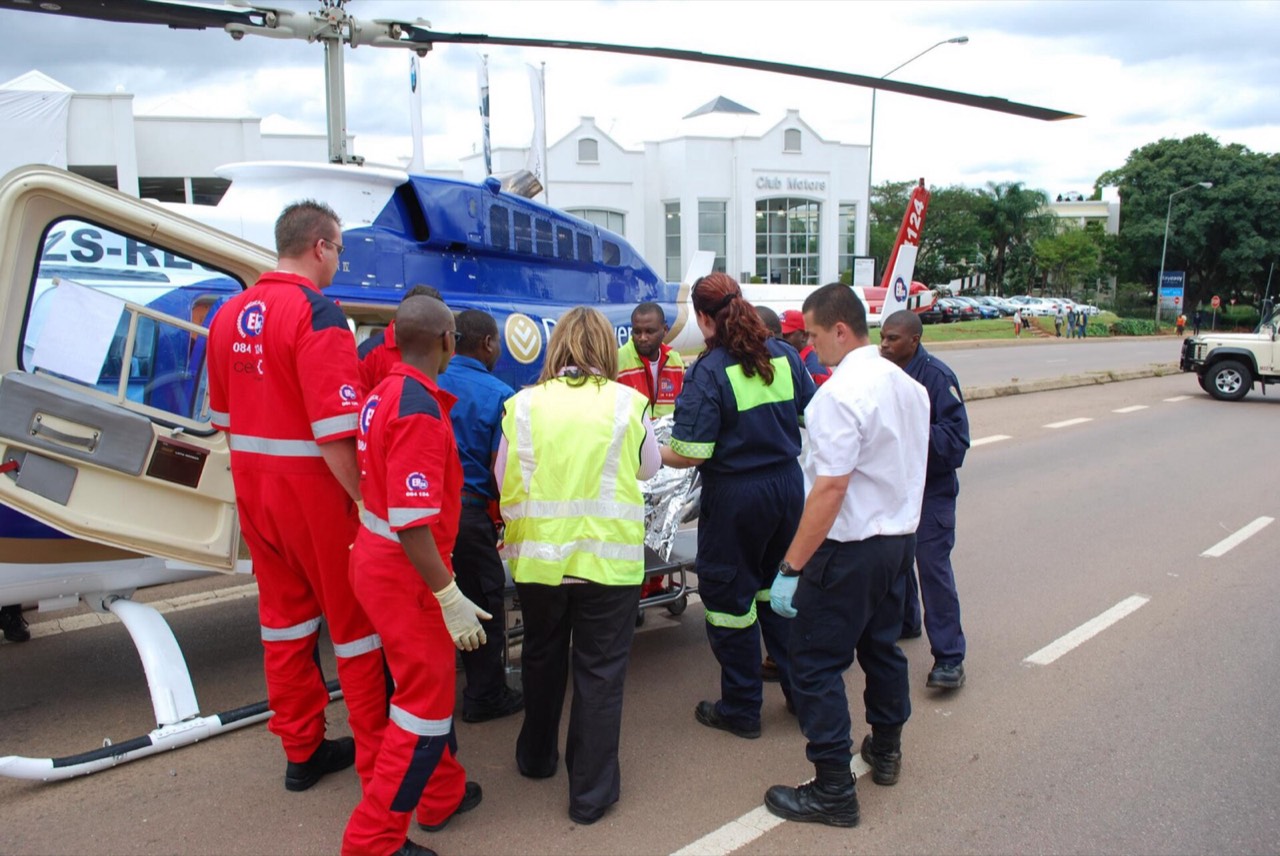
What should paramedics know about me in an emergency? Why your allergies and medicines matter
When minutes matter.
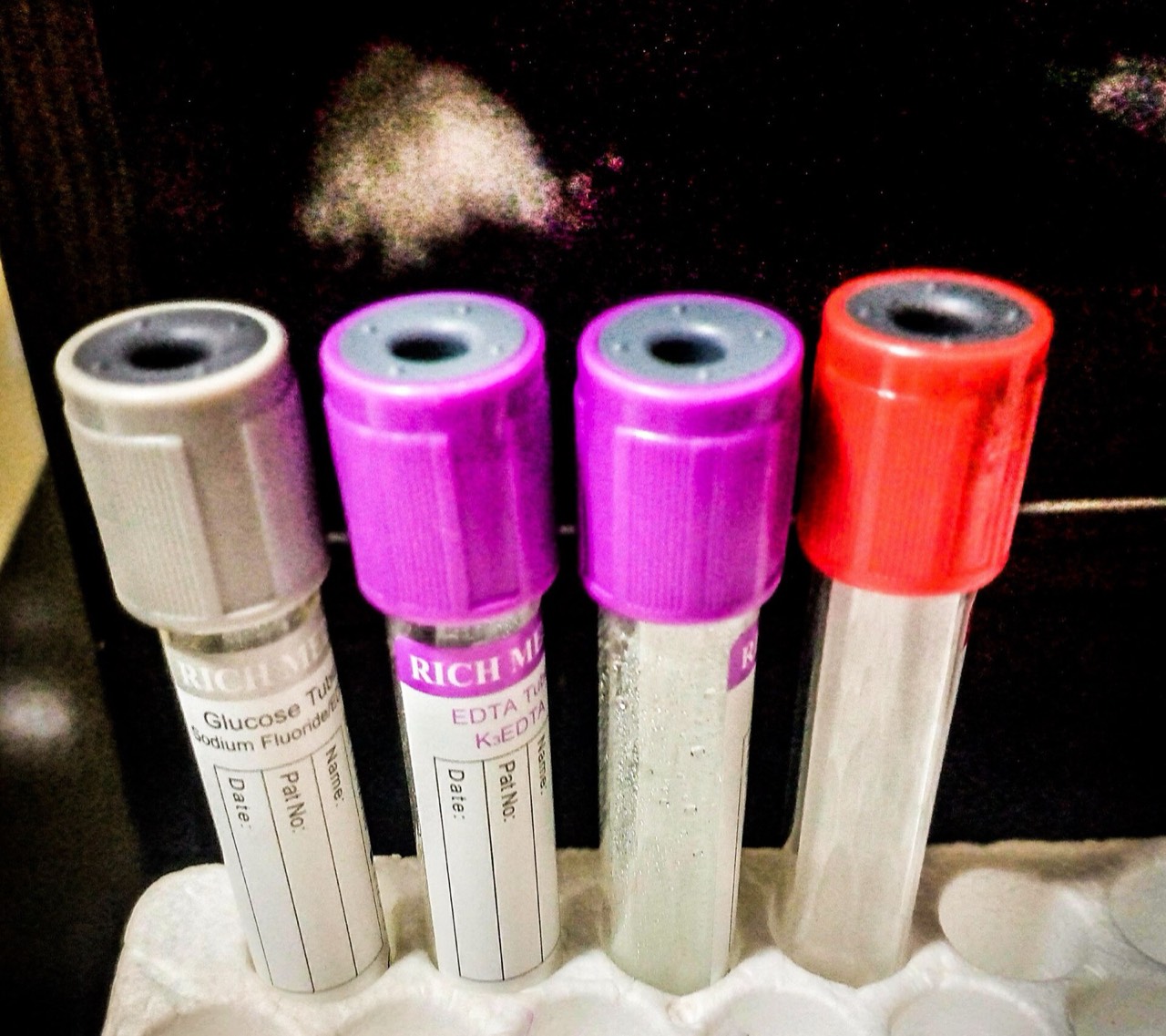
Why do I have to redo blood tests and scans? The cost of repeated medical tests in South Africa
Paying twice: what it costs families and medical schemes.
Sources
- Legodi MG and Wolvaardt JE. A blank page: feedback from first referral hospitals to primary health care clinics (Metsweding district). University of Pretoria. repository.up.ac.za
- Quality of referral letters received at a regional hospital outpatient department, Eastern Cape. South African Family Practice. safpj.co.za
- Clinic-based referral support in Umkhanyakude, Uthungulu and Zululand districts, KwaZulu-Natal. University of KwaZulu-Natal. researchspace.ukzn.ac.za
Photo: Shixart1985, Wikimedia Commons, licensed CC BY 2.0.