
The short answer: Most of your medical history is written on paper that stays in the building where it was written. The clinic keeps one folder, the hospital another, your GP a third, and none of them can see the others. So every new doctor starts with the only record that travels with you: your memory.
You know the moment. You have waited most of the morning, your name is finally called, and the first thing the doctor says is "So, tell me what's been going on." You start again. The asthma since childhood. The operation in 2019, at a hospital whose name you can't quite remember. The tablets you were on last year, the little white ones, that made you dizzy.
The doctor writes it down, does their best, and you leave. Next time, at the next place, you will do it all again.
It feels like carelessness. Mostly it isn't. It is how the system was built.
Your history lives in other people's drawers and cupboards
For most South Africans, care happens in the public sector. Stats SA's General Household Survey has found fewer than one in five people on a medical scheme for two decades (16.9% in 2017), and close to two thirds go to a public clinic first when they are ill.
In most public facilities, your record is a cardboard folder. It is filed at that clinic, under that clinic's number for you. When you move house, change clinic, or get sent to a hospital, the folder does not come with you. At best, a referral letter does.
And folders go missing. When researchers in a rural South African community tried to pull past hospital records for a study, they could find only 39% of the records they asked for.
Our calculation
See three clinics, and the chance that all three can find your folder is about 6%.
That is if each clinic has the same 39% chance the rural study saw. With two clinics it is about 15%. One study cannot speak for every clinic in the country, but it shows how quickly the odds fall: every extra building that holds a piece of your story makes it less likely that anyone sees the whole of it.
Why it matters more than the time it wastes
Retelling your story is tiring. Getting it wrong can be dangerous.
People forget things, especially when they are ill, scared or looking after a sick child. They mix up the names of medicines. They don't know the result of a test that someone else ordered. A doctor who can't see your history has to decide with half the picture.
The cost of half a picture is well documented. A patient safety review in the United States found that as many as 18% of serious, preventable medication errors happen because the person prescribing simply didn't have enough information about the patient. The skill was there. The information was missing.
Missing history also costs money. When an earlier X-ray or blood result can't be found, the safest thing is to do it again. A study in Rochester, New York, found that when doctors could look up a patient's earlier records, they were 25% less likely to repeat the same scan within 90 days.
Our calculation
About 53 million South Africans depend on a system where their records rarely follow them.
Stats SA puts the population at 63.5 million (mid-2026), and its household survey found about 83% of people without a medical scheme. That is more people than live in the whole of Kenya, with their history mostly in paper folders spread across the places they have been treated.
What you can do today
- Keep your own copy. Ask for copies of results, discharge letters and referral letters. Under POPIA you have the right to ask for your own information.
- Write down your medicines. Names and doses, not "the white ones". Take a photo of every box.
- Know your allergies and operations. What, when and where.
- Do the same for your children and parents. They are often the people least able to tell their own story.
How Kindredd helps
Kindredd was started by a doctor who watched this happen from the other side of the desk. The idea is simple: your record should travel with you, not stay behind in a cupboard.
With the free Kindredd Patient app, your health timeline lives on your phone. You can add results, letters and photos of your medicine boxes, and with Patient Premium keep records for your children in the same place. When you see a health worker, you show them a QR code and choose what they can see, for as long as you allow. You can take that access away at any time.
The doctor in front of you starts with your story already on the screen. You spend the appointment on what is wrong today, instead of on what happened in 2019.
Questions people ask
Can I get a copy of my medical records in South Africa?
Yes. POPIA and the Promotion of Access to Information Act give you the right to ask a clinic, hospital or doctor for your own records. Ask in writing and keep a copy of your request.
Do public clinics and hospitals share my records with each other?
Usually not directly. Most public records are still on paper and stay where they were written. Some provinces have electronic systems, but they rarely connect to each other or to private practices.
Is it safe to keep my medical history on my phone?
It can be, if the app encrypts your data and lets you control who sees it. Look for an app that asks your permission before anyone can view your records and lets you remove that access.
Know someone who keeps retelling their history? Send them this.
Was this article helpful?
Has this happened to you or your family? Tell us your story. We read every one, and with your permission it may help shape what we build next.
More from the blog
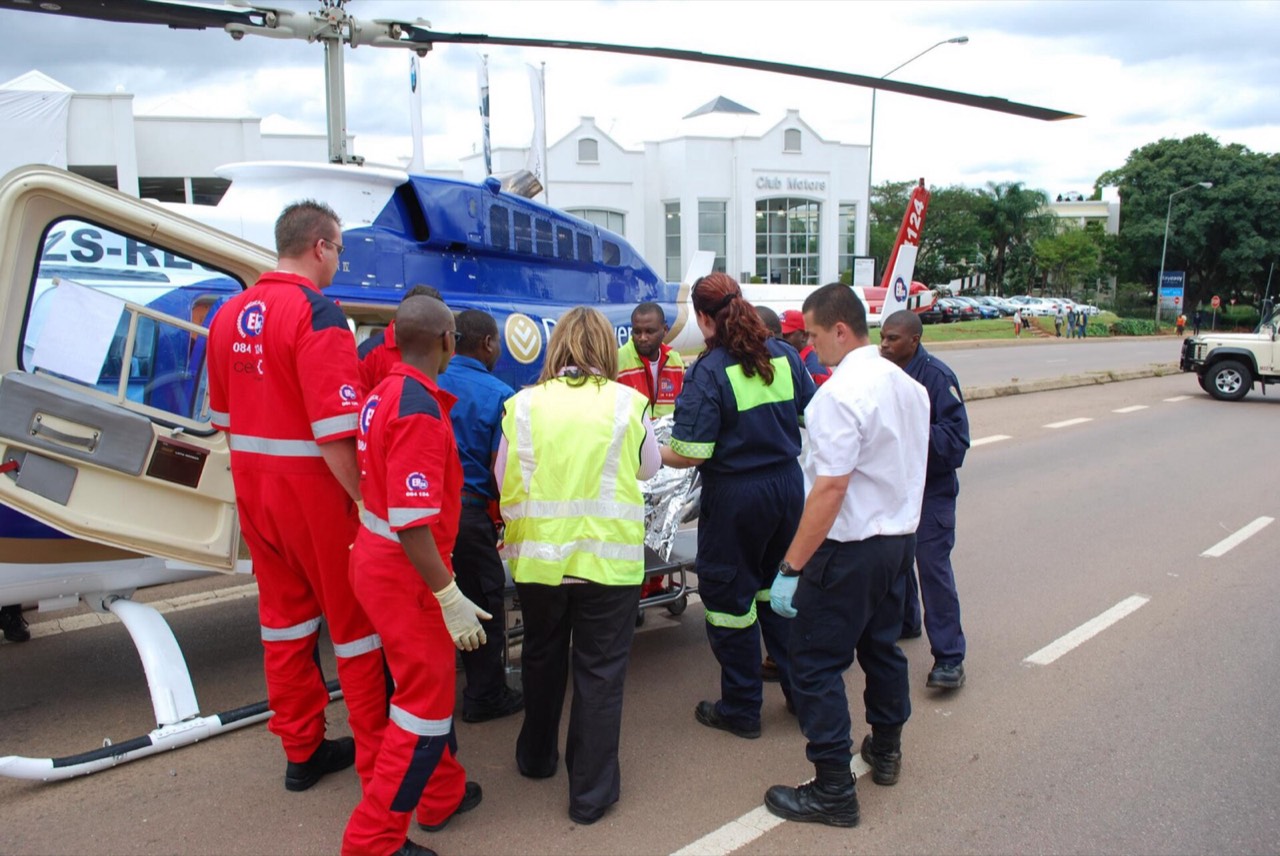
What should paramedics know about me in an emergency? Why your allergies and medicines matter
When minutes matter.
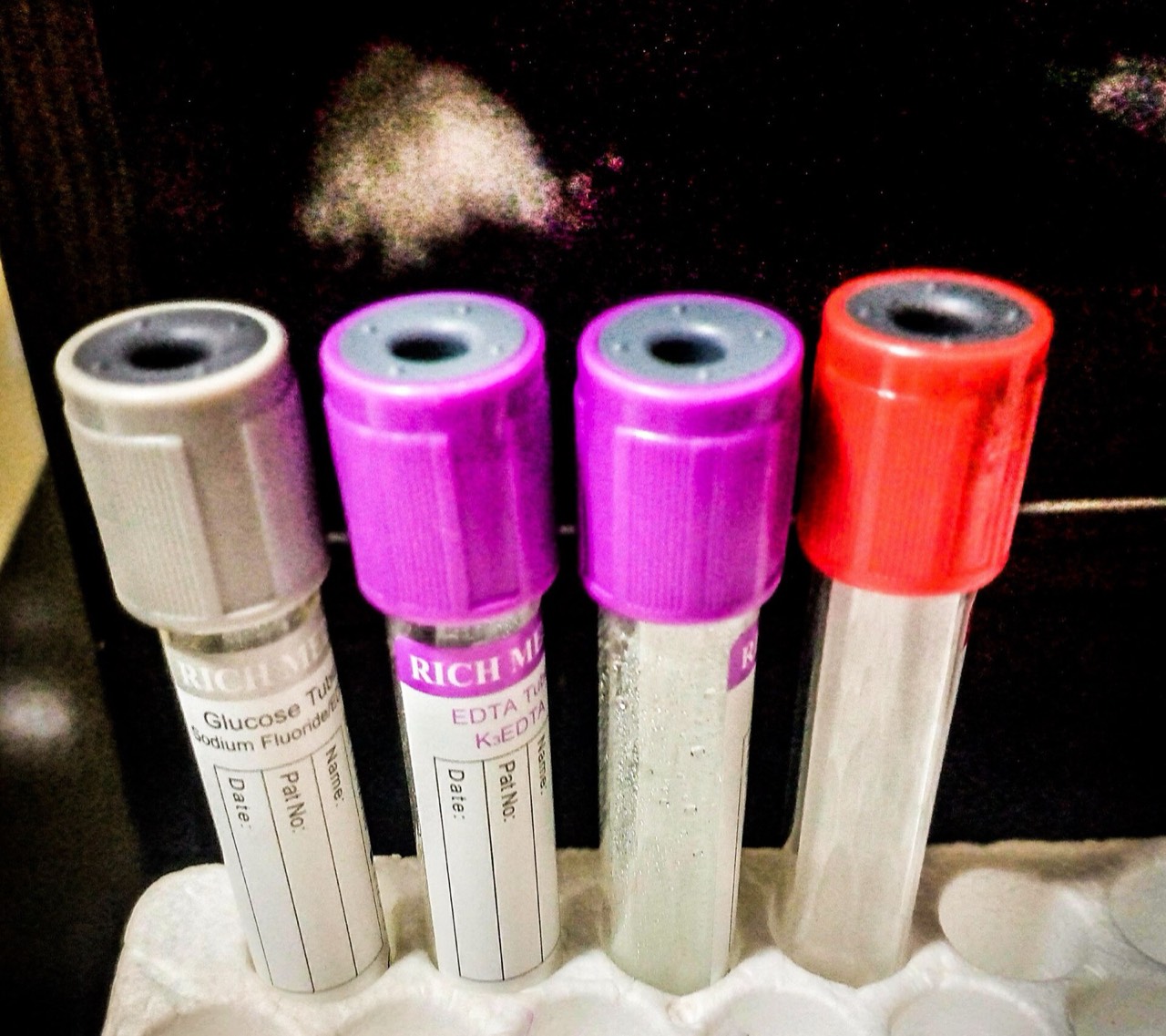
Why do I have to redo blood tests and scans? The cost of repeated medical tests in South Africa
Paying twice: what it costs families and medical schemes.

What happens to my referral letter? Why hospital referrals get lost in South Africa
Referred, then lost.
Sources
- Statistics South Africa, General Household Survey 2017: medical scheme coverage 16.9%; 63.7% use public clinics first. Reported by BusinessTech. businesstech.co.za
- Statistics South Africa, mid-year population estimates 2026: 63.52 million. Reported by BusinessDay. businessday.co.za
- Missing medical records: an obstacle to archival survey research in a rural community in South Africa. University of the Western Cape. repository.uwc.ac.za
- Pennsylvania Patient Safety Authority, Patient Safety Advisory, September 2008: up to 18% of serious preventable adverse drug events linked to insufficient patient information. patientsafety.pa.gov
- Vest JR, Kaushal R and colleagues, health information exchange and repeat imaging, Rochester, New York. Weill Cornell Medicine. news.weill.cornell.edu
Photo: Shixart1985, Wikimedia Commons, licensed CC BY 2.0.