
The short answer: Doctors and nurses across Africa are overworked because there are too few of them for the number of patients, and too much of their time goes on paperwork and broken systems. A 2024 study found Nigerian resident doctors work about 106 hours a week. In South Africa, studies put burnout among doctors at roughly 58% to 78%.
Naz, Kindredd's co-founder, worked as a doctor in Nigeria. She saw colleagues go from one shift straight into the next, with no one to hand over to and no end in sight. She saw doctors pushed until they broke, and some who did not survive it.
That is where Kindredd started.
How many hours
A 2024 study of Nigerian resident doctors found they work an average of 106.5 hours a week, more than double the European Union's limit of 48. Surgical residents averaged about 122.
Our calculation
106 hours a week is more than 15 hours a day, with no day off.
It is also about 58 hours a week more than the European Union allows its doctors: more than a second full-time job on top of the first.
In September 2025, a resident doctor at Rivers State University Teaching Hospital collapsed and died after a long call shift. NARD, the resident doctors' association, called the death preventable and told its members to stop taking continuous calls of more than 24 hours from 1 October 2025.
South Africa
South African studies put burnout among doctors in health facilities at between about 58% and 78%. A study of interns at Chris Hani Baragwanath Academic Hospital, using the Maslach Burnout Inventory, described burnout as alarmingly high. Health-e News has reported junior doctors routinely working 80 to 120 hours a week.
Why it keeps happening
- Too few hands. Sub-Saharan Africa carries about 24% of the world's disease with about 3% of its health workers.
- Too much admin. Searching for folders, rewriting histories, chasing results and writing the same thing three times.
- No proper handover. When the next shift cannot pick up the work, the current shift does not go home.
- People leaving. Each doctor who emigrates leaves their patients to the colleagues who stay.
What would actually help
- Safe hours, enforced. Limits on continuous duty, like the one NARD has called for.
- Hand the work over. Written handovers so a shift can end on time.
- Cut the paperwork. Every minute saved on admin is a minute of rest or care.
- Look after each other. Notice the colleague who has stopped eating, sleeping or talking.
How Kindredd helps
Kindredd was built so that health workers spend their time on patients instead of on paper. In the Kindredd Care app, notes, referrals, scripts and sick notes are done on your phone, and the patient's shared record is already there when you start.
Team plans add a shared roster and automated handover, so the next shift can pick up the work and you can go home.
Questions people ask
How many hours do doctors work in Nigeria?
A 2024 study found resident doctors average about 106.5 hours a week, and surgical residents about 122 hours.
How common is burnout among doctors in South Africa?
Studies put it at between about 58% and 78% among doctors in South African health facilities, and higher among junior doctors in some hospitals.
What are the signs of burnout in health workers?
Exhaustion that rest does not fix, feeling detached from patients, a sense that nothing you do matters, poor sleep and irritability. If you notice these, talk to someone you trust.
Know a doctor or nurse running on empty? Send them this.
Was this article helpful?
Has this happened to you or your family? Tell us your story. We read every one, and with your permission it may help shape what we build next.
More from the blog
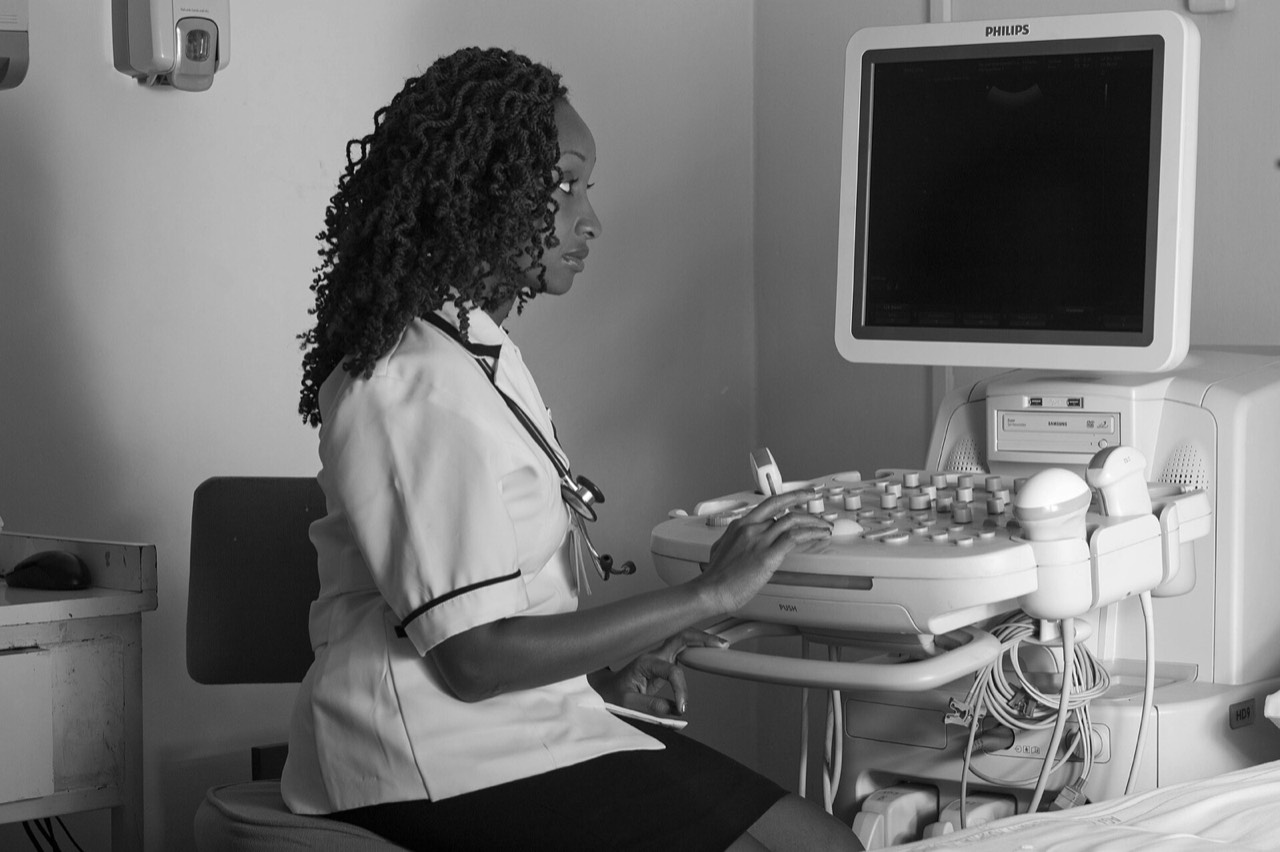
How many doctors does South Africa have per person? The doctor shortage in Africa explained
One continent, too few doctors.

Is it legal for doctors to share patient information on WhatsApp? POPIA and patient privacy explained
The WhatsApp ward.
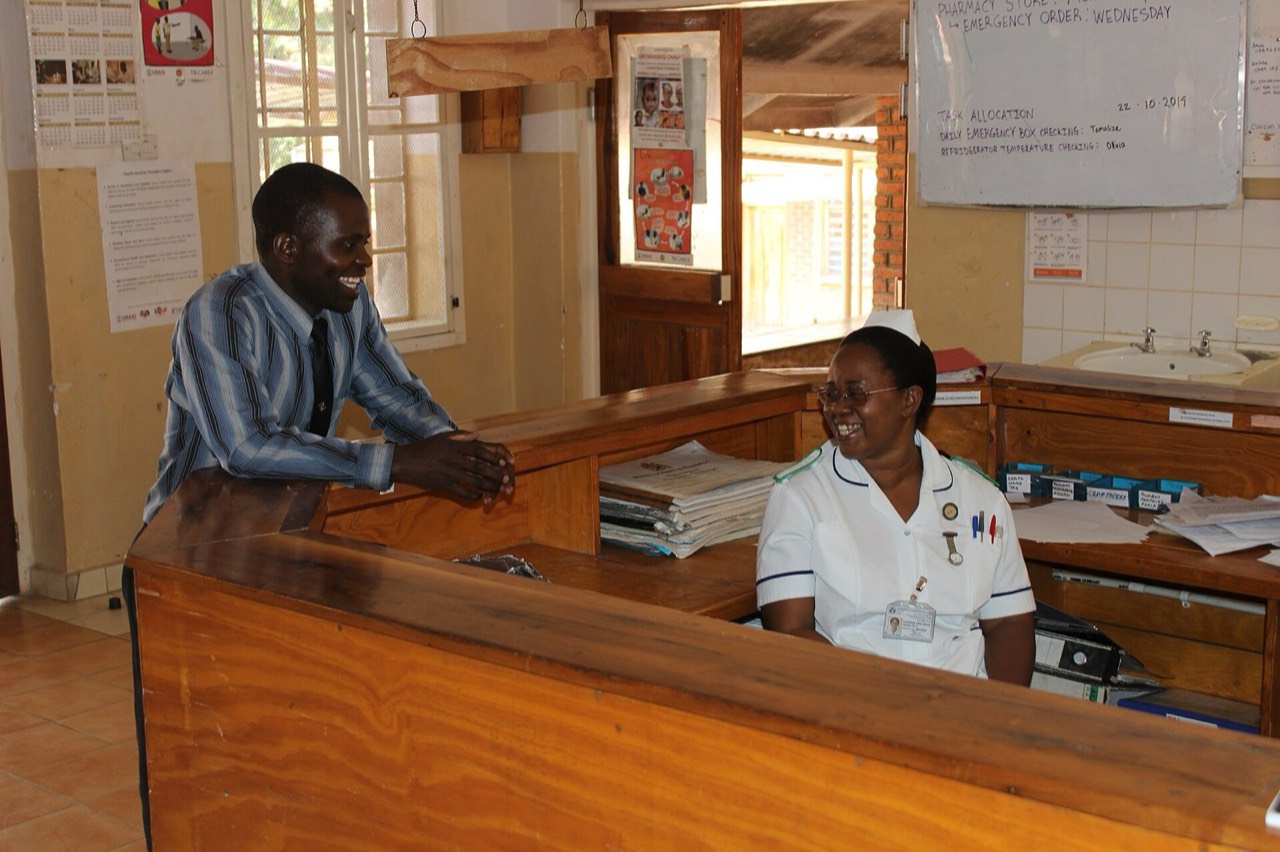
What is a patient handover in a hospital, and why do mistakes happen between shifts?
The handover on a scrap of paper.
Sources
- Study of Nigerian resident doctors' working hours (2024): average 106.5 hours a week, surgical residents about 122. Reported by Leadership. leadership.ng
- NARD bans continuous call duty beyond 24 hours over rising deaths and burnout (October 2025). AllAfrica. allafrica.com
- Prevalence and factors associated with burnout among junior medical doctors at a South African tertiary public sector hospital (2024). ncbi.nlm.nih.gov
- Health-e News, Junior doctors battle burnout and unsafe working conditions (May 2025). health-e.org.za
- Africa CDC, May 2024: sub-Saharan Africa carries about 24% of the global disease burden with 3% of the world's health workers. Reported by AllAfrica. allafrica.com
Photo: Shixart1985, Wikimedia Commons, licensed CC BY 2.0.